



Alle producten
-
Lignosulfonatelignine
-
Natrium Lignosulfonate
-
Calcium Lignosulfonate
-
Kalium Lignosulfonate
-
De Vloeistof van natriumlignosulfonate
-
Magnesium Lignosulfonate
-
Ammonium Lignine Sulfonaat
-
Ferrochroom Lignosulfonate
-
Het Poeder van Polycarboxylatesuperplasticizer
-
Polycarboxylic Zuur
-
Het Formaldehyde van het natriumnaftaleen
-
Lignosulfonateverspreider
-
verspreidende agentenmf
-
Verspreidende Agent NNO
-
NATRIUMGLUCONAAT
Landbouw Industrie Natriumlignosulfonaatpoeder Vaste stofgehalte ≥93% toegepast in de landbouw en bodemconditionering

| Place of Origin | CHINA |
|---|---|
| Merknaam | ATET |
| Certificering | ISO |
| Minimum Order Quantity | 1T |
| Prijs | 150USD/T--650USD/T |
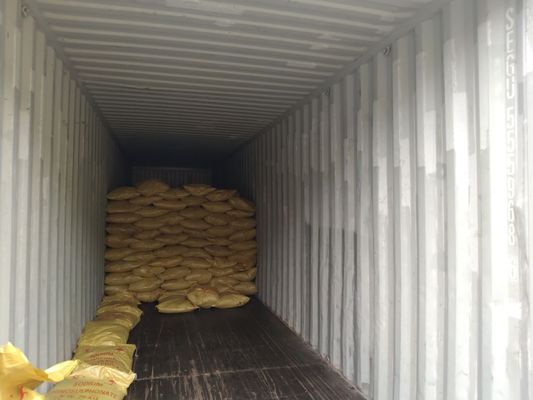
| Packaging Details | 20KG/BAG, 25KG/BAG , 50KG/BAG, 500KG/BAG, 550KG/BAG, 600KG/BAG |
| Delivery Time | 7-10 DAYS AFTER PAYMENT |
| Payment Terms | T/T, L/C, D/A, D/P, Western Union, |
| Supply Ability | 3000T/MONTH |
Productdetails
| Andere naam | Lignosulfonic Zuur | Lignine Contec | 45% tot 60% |
|---|---|---|---|
| Keramische bindmiddel | Keramische bindmiddel | Water | ≤7% |
| Casnr | 8061-51-6 | Producten Naam | Natriumligninesulfonaat |
| Pakket | Zakken van 25 kg en 500 kg | Gebruik | Water Verminderende Agent |
| Markeren | natriumlignosulfonaatpoeder voor de landbouw,natriumlignosulfonaat voor bodemconditionering,Natriumlignosulfonaat met een hoog vaste stofgehalte |
||
Productomschrijving
Productbeschrijving:
Natriumlignine-sulfonaat, aangeduid met het CAS-nummer 8061-51-6, is een veelzijdige en veelgebruikte chemische verbinding die vooral bekend staat om zijn belangrijke toepassingen in de landbouwindustrie.Dit product dient als essentieel onderdeel in verschillende industriële processen vanwege zijn uitstekende dispergeerbaarheidMet een pH-waarde tussen 8 en 11 vertoont natriumlignine sulfonaat een lichte alkalische eigenschap.het geschikt maakt voor meerdere formuleringen en toepassingen zonder aanzienlijke corrosie of afbraak te veroorzaken.
Een van de meest opmerkelijke toepassingen van natriumlignine sulfonaat is als natriumlignosulfonaatbetonmengsel.Deze verbinding fungeert als een effectief betonmengsel dat de werkbaarheid en sterkte van beton verbetert.Door het vereiste watergehalte in betonnen mengsels te verminderen, verbetert het de algehele duurzaamheid en helpt het een betere samenhang tussen de cementdeeltjes te bereiken.Dit waterreductievermogen verlaagt niet alleen de water-cementverhouding, maar leidt ook tot kostenbesparingen en verbeterde mechanische eigenschappen van de uiteindelijke betonnen constructieHet gebruik van natriumlignosulfonaat als betonnen toevoegingsmiddel zorgt voor een betere vloeibaarheid en pompbaarheid van beton, waardoor het onmisbaar is voor moderne bouwprojecten.
Naast zijn rol in beton functioneert natriumlignine sulfonaat efficiënt als natriumlignosulfonaat waterreducer.De waterreducerende eigenschappen zijn zeer gewaardeerd in verschillende industriële formulaties buiten de bouwDoor het in mengsels benodigde watergehalte te verlagen, vergemakkelijkt het een betere verspreiding en een uniforme verdeling van de deeltjes.Deze eigenschap is vooral gunstig in de landbouwindustrie, waar het wordt gebruikt om de formulering van bestrijdingsmiddelen te verbeteren.Door het verbeteren van de bevochtigings- en verspreidingskenmerken van deze landbouwchemische stoffen zorgt natriumlignine sulfonaat voor een betere dekking en effectiviteit.uiteindelijk bijdragen aan hogere gewasopbrengsten en duurzame landbouwpraktijken.
Een andere belangrijke toepassing van dit product is het gebruik ervan als natriumlignosulfonaatdispersant.De uitstekende dispersierend vermogen van het stof helpt bij het stabiliseren van de suspensie en voorkomt dat deeltjes in verschillende preparaten zich samenvoegen of afzetten.Deze eigenschap is zeer gunstig in de keramische en kleurstoffenindustrie, waar een gelijkmatige verspreiding van pigmenten en deeltjes cruciaal is.Natriumlignine sulfonaat fungeert als keramisch bindmiddel dat de sterkte en integriteit van keramische producten verbetertDoor een gelijkmatige verdeling van de deeltjes te bevorderen en klontering te voorkomen, verbetert het de kwaliteit en consistentie van keramische materialen en draagt het bij tot een superieur eindproduct.
Natriumlignine sulfonaat is dus een multifunctioneel middel dat een vitale rol speelt in verschillende industrieën.bijdragen aan een betere gezondheid en productiviteit van de plantenIn de bouw biedt het, als betonnen toevoeging en waterreductie, sterkere en duurzamere bouwmaterialen.door zijn dispersieve eigenschappen is het onmisbaar in de keramische industrie en andere productieprocessen die een stabiele suspensie en een uniforme deeltjesverdeling vereisen..
Over het algemeen is natriumlignine sulfonaat een product met een hoge prestatie die wordt gewaardeerd om zijn aanpassingsvermogen, effectiviteit en milieuvriendelijkheid.De compatibiliteit met verschillende formuleringen en het vermogen om de prestaties van het product te verbeteren maken het een voorkeur keuze voor zowel fabrikanten als eindgebruikers.Of het nu wordt gebruikt als natriumlignosulfonaatbetonmengsel, waterverminderaar of dispersant, dit product levert consistent betrouwbare resultaten.het onderbouwen van zijn reputatie als cruciale industriële chemische stof met een breed spectrum aan toepassingen.
Kenmerken:
- Productnaam: natriumlignosulfonaat
- Andere benaming: lignosulfonsyre
- Alternatieve benaming: natriumligninesulfonaat
- CAS-nummer: 8061-51-6
- Watergehalte: ≤ 7%
- Vaste stofgehalte: ≥93%
- Gebruikt als bindmiddel van natriumlignosulfonaat
- Functies als natriumlignosulfonaatzout
- Hoog effectief bindmiddel van natriumlignosulfonaat voor verschillende industriële toepassingen
Technische parameters:
| Productnaam | Natriumlignine-sulfonaat |
| Andere naam | Lignosulfonsuur |
| CAS-nummer | 8061-51-6 |
| Ligninegehalte | 45% tot 60% |
| pH-waarde | 8-11 |
| Asgehalte | < 5% |
| Water | ≤ 7% |
| Vaste inhoud | ≥ 93% |
| Gebruik | Waterreductiemiddel |
| Pakket | 25 kg, 500 kg zakken |
Toepassingen:
ATET's natriumlignosulfonaatzout, afkomstig uit China en gecertificeerd volgens ISO-normen, is een veelzijdig product dat door zijn uitstekende eigenschappen in verschillende industrieën wordt gebruikt.met een vaste stofgehalte van ≥ 93% en minder dan 3 niet-oplosbaar in water.38%, dit natriumlignosulfonaatpoeder biedt een superieure kwaliteit en prestaties, waardoor het geschikt is voor talrijke toepassingen.
In de bouwsector wordt natriumlignosulfonaat vaak gebruikt als weekmaker en waterreductiemiddel in mengsels van beton en cement.Het verbetert de werkbaarheid van beton, verbetert de sterkte en vermindert het waterverbruik, waardoor een betere duurzaamheid en kostenefficiëntie wordt gewaarborgd.woongebouwen, wegen en bruggen, waar de consistentie en kwaliteit van beton van cruciaal belang zijn.
Een andere belangrijke toepassing van natriumlignosulfonaatzout is in de landbouwsector.het vergemakkelijken van een gelijkmatige distributie en het verbeteren van de effectiviteit van agrochemische stoffenDeze toepassing helpt boeren betere gewasopbrengsten te behalen en vermindert de milieu-impact door chemische afvoer tot een minimum te beperken.
In de diervoederindustrie fungeert het natriumlignosulfonaatpoeder van ATET als pelletbindmiddel, waardoor wordt gewaarborgd dat de pelletjes bij transport en opslag bij elkaar blijven en hun vorm behouden.Dit verhoogt de efficiëntie van het voer en vermindert het verspilling, hetgeen bijdraagt tot een betere voeding van het vee en de landbouwproductiviteit.
Het product wordt ook gebruikt in het leerlooiproces, waar het als dispersie- en herlooimiddel fungeert.verbetering van de penetratie van tanningsmiddelen en verbetering van de algehele kwaliteit van lederwarenBovendien wordt het in de keramische industrie gebruikt als deflocculant en bindmiddel, waardoor de giet- en vormgeving van keramische producten wordt verbeterd.
ATET levert natriumlignosulfonaat in verschillende verpakkingsmogelijkheden, waaronder zakken van 20 kg, 25 kg, 50 kg, 500 kg, 550 kg en 600 kg.Met een aanvoercapaciteit van 3000 ton per maand en een concurrerende prijs van 150USD/T tot 650USD/T, is het product gemakkelijk verkrijgbaar met een levertijd van 7-10 dagen na betaling.en vergemakkelijken nog meer soepele transacties.
Over het algemeen is natriumlignosulfonaatsal door ATET een betrouwbare en kosteneffectieve oplossing voor industrieën die een hoogwaardig bindmiddel, dispersant en weekmaker nodig hebben.De brede toepassingsruimte en de consistente prestaties maken het tot een essentiële chemische stof in de bouw, landbouw, diervoeder, leer en keramische industrie.
Geadviseerde Producten
